Bedding · Fabric guide
How to Choose Sferra Pillow Shams: Weaves, Sizes, and Bed Styling
A pillow sham can change the character of a bed with a narrow border, a textured weave, or a carefully placed embroidered edge. Choosing well means looking beyond color: fit, fabric, finish, and care all influence how the bed feels and how it looks over time.
Published October 16, 2026
On a made bed, pillow shams are the finishing layer—the pieces that frame the sleeping pillows and give the arrangement its visual structure. They may resemble pillowcases at a glance, but their purpose and construction differ. A pillowcase is designed primarily for sleeping; a sham is generally a decorative cover, often with a flange, border, embroidery, or other detail that gives a pillow more presence.
When comparing Sferra pillow shams, begin with the bed and the pillow inserts you already own. Then consider the fabric’s weave and surface, the shape of its finish, and the way it will sit beside your sheets and duvet cover. These choices can make a bed feel crisp and tailored, soft and relaxed, or layered without looking overly formal.
Names for sizes and finishes can vary between collections, so use the maker’s measurements and care label as your final reference. The guidance below offers a practical way to assess proportions and style while leaving room for the details that distinguish one fabric and design from another.
Start with the pillow insert
The most reliable route to a good-looking sham is to match its dimensions to the pillow insert, not simply to the name on the label. “Standard,” “queen,” and “king” are useful starting points, but actual measurements can differ among manufacturers and styles. Measure the insert from seam to seam while it lies flat, and compare those numbers with the sham’s stated finished dimensions.
A cover that is too small may strain at the closure, distort the corners, or pull decorative borders out of alignment. A cover that is too large can look slack, especially if the insert is soft or lightly filled. Some people prefer a snug appearance; others like a looser, more relaxed silhouette. Neither is inherently correct, but the insert and cover should work together without forcing the seams.
Consider the insert’s loft as well as its width and length. A fuller pillow occupies more of the sham and can help a flange stand neatly. A flatter insert may let a wide border collapse or curl. If you are buying a sham without replacing the pillow, take measurements first. If you are choosing both, check their dimensions together and allow for the feel you want rather than assuming every insert labeled “king” will fill every king sham in the same way.
A quick fit check
- Measure the pillow insert while it is relaxed, without compressing it.
- Check whether the sham measurement refers to the body of the cover or includes its flange.
- Look for the closure location and confirm that the pillow can be inserted without stressing the fabric.
- Think about how the pillow will be used: a decorative sham may be removed at bedtime, while a pillowcase is usually kept on the sleeping pillow.
That last distinction matters in everyday routines. A sham can protect a pillow to some extent, but it is not automatically a substitute for a pillowcase intended for nightly contact and frequent laundering. Many beds use pillowcases for sleeping and shams as the more visible layer during the day.
Pillow sham sizes and bed proportions
Size affects more than coverage. It changes the rhythm of a bed: how many pillows fit across the headboard, how much of the wall remains visible, and whether the top layer feels balanced against the duvet. Standard or queen shams are commonly used on twin, full, and queen beds, while king shams are often selected for king-size beds. These are conventions, not rules. A smaller sham can create a compact, restrained arrangement on a wide bed; a larger one can make a narrower bed feel more generously layered.
Before settling on a layout, consider the bed’s width, headboard height, and the number of pillows you actually want to manage. Two large shams can create a clear, symmetrical line. A pair of sleeping pillows in cases, set behind a pair of shams, adds depth. Smaller decorative pillows can introduce another shape or texture, but each additional layer takes up space and needs somewhere to go at night.
Flanges change the apparent size of a sham. A flange is a fabric border extending beyond the pillow’s main body, often finished with a stitched edge. It adds a frame around the insert and can make a pillow appear wider or more formal. When comparing measurements, check whether the listed size includes that border. The same nominal pillow size can produce a different overall outline depending on how the maker describes the finished piece.
Measure the bed visually as well as literally. A high headboard can accommodate substantial borders and several layers; a low-profile frame may suit flatter, less ornate shams. The aim is not to follow a fixed formula but to preserve proportion. Leave enough space for the duvet or coverlet to remain part of the composition rather than letting pillows overwhelm the bed.
Understand the weave before choosing a feel
Weave describes how yarns cross to form a fabric, and it shapes the surface a hand encounters. Fiber, yarn quality, weight, finishing, and construction also matter, so weave alone cannot predict every quality. Still, it offers a useful vocabulary for comparing bedding and anticipating how a sham may look beside sheets.
Percale: crisp and matte
Percale is a plain-weave cotton fabric often associated with a smooth, crisp, matte hand. Its surface tends to look clean and composed, making it a natural partner for tailored borders, embroidery, and orderly bed arrangements. A percale sham can provide a quiet contrast beside a softer or more textured duvet cover. The exact feel varies with yarn, finishing, and laundering, so fabric descriptions and care instructions remain important.
Sateen: smooth with a subtle sheen
Sateen construction creates a smoother surface with a gentle luster that can catch light differently from matte percale. In a bedroom, that shift can add depth without relying on a strong print or color contrast. Sateen is not simply “more formal”; it can be understated when paired with simple shapes and calm colors. Consider how its sheen will sit beside the finish of the sheets and duvet, especially in rooms with strong daylight or directional lamps.
Linen: textured and relaxed
Linen, made from flax fiber, has a more visibly irregular texture than many tightly smooth cotton fabrics. It can give a bed a relaxed, natural character while remaining suitable for carefully composed layering. Linen is often valued for airflow and moisture management, though the experience depends on the fabric’s weight, construction, and finishing. It may feel firmer at first and soften with use and washing, but individual products differ.
If you are comparing a linen sham with cotton sheets, use contrast deliberately. A linen border against smooth percale can make the texture legible without adding a new color. Conversely, matching several highly textured layers can make the bed feel busy. One tactile accent may be enough.
Blends and textured constructions
Some bedding fabrics combine fibers or use patterned constructions such as jacquard. A jacquard pattern is woven into the cloth rather than simply printed on its surface, creating structure and texture that can be subtle or pronounced. Read the fiber composition and care guidance rather than inferring performance from a collection name. For a sham, the practical questions are whether the surface suits the room, whether its weight works with the insert, and whether its care fits your household routine.
Finishing details shape the silhouette
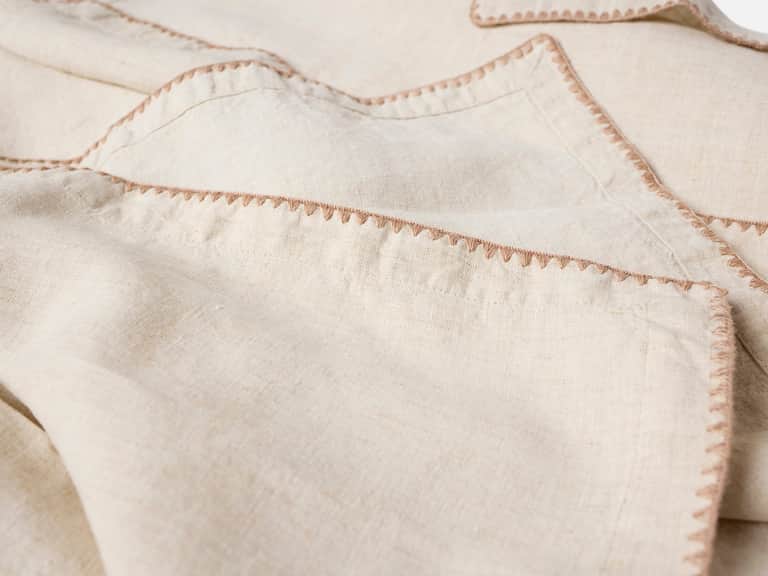
Two shams in similar colors and fabrics can produce very different impressions because of their edges. A plain hem keeps attention on the cloth. A flange creates a visible frame. Embroidery adds a line, motif, or border that may become the bed’s focal point. Piping and contrast stitching define the outline more sharply, while a scalloped edge introduces a softer, more decorative profile.
Think about the finish at the scale of the entire bed. A broad flange can look striking on a large pillow but may crowd a narrow arrangement. Fine embroidery can read as a quiet detail from across the room and reveal its workmanship at closer range. If the duvet already has a strong border, a simpler sham often gives the composition breathing space. If the duvet is plain, a small stitched detail can provide the visual punctuation.
Finishing also affects practical use. Raised embroidery or delicate trim may need gentler handling than a straightforward hem. Closures can differ too: an envelope opening, buttons, or a zipper each changes how the insert is held and how easy the sham is to remove. Examine the care label and construction notes before choosing a decorative finish for a pillow that will be handled or washed often.
Coordinate shams with sheets and duvet covers
A cohesive bed does not require every layer to match exactly. In fact, repeating the same fabric, color, and finish from pillow to duvet can flatten the arrangement. Instead, build relationships through one or two shared elements: a color family, a similar weave, a repeated stitch, or a balance between smooth and textured surfaces.
For a calm, tailored bed, use a restrained palette and let construction provide interest. Crisp percale sheets can sit behind shams with a neat flange, while a plain duvet cover anchors the arrangement. For a more relaxed look, combine linen shams with simpler cotton pillowcases and a duvet cover in a related, rather than identical, tone. The slight variation keeps the layers distinct.
When mixing colors, compare undertones in the light where the bed is used. White can lean warm, cool, or neutral; natural linen can shift from pale flax to deeper earthy shades. A sample or a careful comparison in daylight can prevent pieces that appear compatible online from looking unexpectedly different in the room. Texture also changes how a shade reads: a matte weave absorbs light differently from a smooth, lustrous one.
To keep the bed from feeling overly formal, limit the number of decorative statements. If the shams have embroidery, choose quieter pillowcases. If the duvet has a prominent stripe, let the shams echo its colors rather than repeat the pattern. And if you prefer a simple bed, two well-proportioned shams over practical sleeping pillows may be all the structure the room needs.
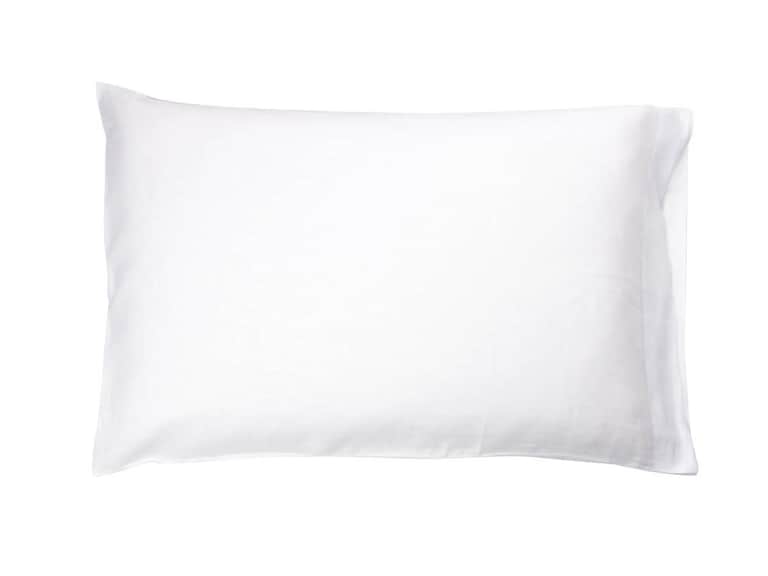
A linen pillowcase can also serve as a useful reference when considering texture alongside shams. For example, the Classics Geneva linen pillow-case is described as lightweight linen with a flange finish. It is a pillowcase rather than a Sferra sham, but its details illustrate how fabric weight and a bordered edge contribute to a bed’s overall appearance. Always confirm the size and intended use of any piece before combining it with other layers.
Care: protect the fabric and the finish
Care instructions are specific to the item, not just its fiber. Two linen shams may have different guidance because of their dye, embroidery, finishing, or construction. Follow the sewn-in label or the maker’s instructions for the exact piece. If the care directions for mixed bedding differ, sort items by compatible washing requirements rather than assuming they can all go through the same cycle.
As a general habit, avoid overcrowding the washer. Fabrics need room to move and rinse, while excess detergent can leave residue that dulls the surface or makes fibers feel less pleasant. Use a detergent appropriate for the textile and avoid bleach unless the care instructions explicitly allow it. High heat and over-drying can contribute to shrinkage, wear, or a harder-to-manage finish, so use the recommended temperature and remove pieces promptly when directed.
Decorative details deserve particular attention. Embroidery, piping, and delicate edges may snag against hardware or rough items in the wash. Fasten closures if instructed, wash compatible colors together, and consider a protective laundry bag when the label recommends extra care. Ironing, steaming, or line drying should likewise follow the item’s guidance; a crisp finish is not worth risking damage to a fabric that is meant to soften naturally.
Establish a routine that distinguishes sleeping pillowcases from decorative shams. Pillowcases typically need more frequent laundering because they are in direct, regular contact with skin and hair. Shams can be washed according to their use, household needs, and care label. Keeping the two roles clear can reduce unnecessary washing of decorative pieces while maintaining a clean sleep surface.
A practical bed-styling sequence
Rather than buying a complete arrangement at once, build the bed in stages. First place the sleeping pillows in their cases. These establish the functional foundation. Add shams next, checking whether their height and border suit the headboard. Finish with a duvet, coverlet, or a single smaller accent only if it adds useful contrast or proportion.
- Confirm the dimensions. Compare sham measurements with the insert and with the width of the bed.
- Choose the surface. Decide whether you want crisp percale, smoother sateen, textured linen, or another clearly described construction.
- Set the visual tone. Use color and finishing details to complement the sheets and duvet rather than competing with them.
- Check the care commitment. Make sure the fabric and decorative finish suit the laundry routine you can maintain.
- Edit the layers. Remove anything that crowds the bed or adds decoration without improving comfort or balance.
Stand back after making the bed. The arrangement should feel proportionate from the doorway, while its tactile differences become apparent up close. A sham’s job is not simply to fill a space; it is to connect the practical pillow underneath with the larger composition of cloth, color, and texture above it.
Common questions about pillow shams
Are shams the same as pillowcases?
No. Pillowcases are generally designed for sleeping and regular washing. Shams are usually decorative covers, often distinguished by a flange, trim, embroidery, or another finish. Some people sleep on shams, but their construction and care needs may make them better suited to daytime styling. Check the item description and care label.
Should a sham be the same size as its pillow?
The sham and insert should be compatible, but the ideal fit depends on the measurements and the silhouette you prefer. A close fit can look tailored; a looser fit may feel more relaxed. Do not rely solely on size names—compare stated dimensions and account for any flange included in the measurement.
Can linen shams go with cotton sheets?
Yes. Mixing fibers can create useful contrast. Linen brings visible texture, while cotton percale often has a smoother, crisper surface. Use a shared color or a quiet finish to connect the pieces, and follow the care instructions for each item when laundering them.
How many shams should be on a bed?
There is no required number. A pair offers a balanced, simple arrangement on many beds; additional layers may suit a wider bed or a more elaborate style. Let the bed’s proportions, headboard, and daily routine guide the choice. More pillows are not necessarily more comfortable or more polished.
How can I avoid a bed that looks too formal?
Mix rather than match every layer. Pair one detailed element—such as an embroidered sham or prominent flange—with simpler sheets and a quieter duvet. Natural texture, relaxed folds, and a limited number of pillows can soften a precise arrangement without sacrificing a finished look.
Choose for the room you actually live in
The best sham is the one that fits its insert, suits the bed, and can be cared for comfortably in everyday life. Sferra pillow shams may be considered through the same practical lens as any fine bedding: verify the dimensions, read the fabric and construction details, and decide how the finish relates to the other layers. A beautiful border cannot compensate for a poor fit, while a thoughtfully chosen weave can bring character to even a restrained palette.
Look for balance rather than a perfect set. A crisp surface beside a relaxed one, a narrow border against a plain duvet, or a modest embroidery detail among quieter fabrics can make the bed feel complete. When proportions and care are considered alongside appearance, the result is not simply a styled surface but a set of bedding layers suited to the room and the way it is used.