Bedding · Materials & Care
Pillow Shams as Bed Layers: Sizing, Texture, and Everyday Care
A pillow sham can give a bed a considered outline, add a quiet change of texture, and help shield a pillow from dust and handling. Choosing one is less about decoration alone than about fit, fabric, construction, and the small habits that keep textiles in use for years.
A layer with a purpose
At the end of the day, a bed is a landscape of things that have worked hard: sheets that have followed the body through warm nights and cool ones, pillows that have supported the head, and covers that have gathered the ordinary traces of a lived-in room. A sham belongs to this layered system. It can frame the sleeping pillows when the bed is made, introduce a contrasting weave or border, and provide a removable outer cover that is easier to refresh than the pillow itself.
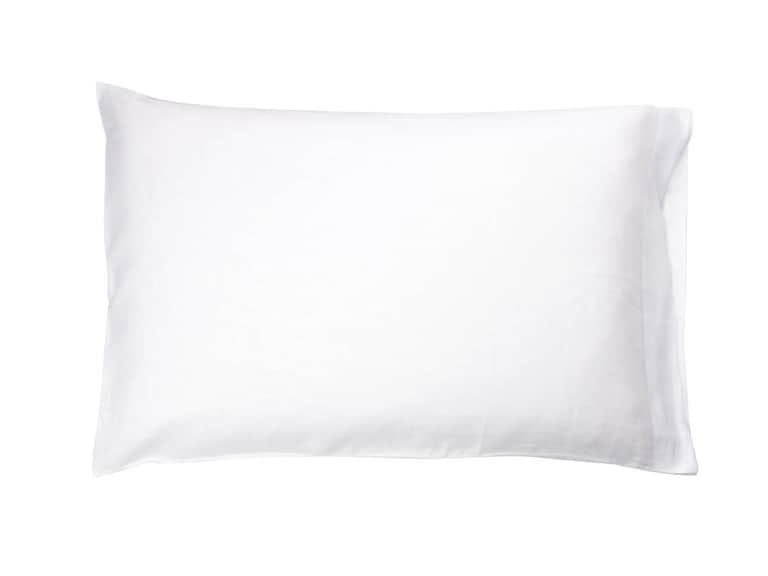
The words sham and decorative pillow cover are sometimes used loosely, and the distinction can vary by retailer and design. Traditionally, a pillow sham is a cover intended to make a pillow look finished when arranged on the bed. It may have an envelope opening, a concealed closure, or a decorative border such as a flange. A decorative pillow cover may serve a similar styling role but be made for a particular accent insert rather than a standard sleeping pillow. In either case, the cover is a separate textile layer—not the pillow’s support or filling.
That separation matters in daily life. A cover can be removed for laundering, aired between washes, or changed as the room’s palette shifts. But it should not be expected to replace a regular pillow protector or to make a pillow maintenance-free. The practical question is how the sham fits into the whole bedding routine: where it rests during sleep, how often it is handled, what it is made from, and how its care instructions align with the rest of the bed.
Start with the pillow, not the label
Sham sizing sounds straightforward until a pillow is placed inside. The dimensions printed on a cover are usually its intended finished measurements, but the dimensions and loft of the insert affect the result. A generously filled pillow can make a cover feel taut; a flatter insert may leave slack at the corners. Even two pillows sold under the same size name can differ slightly in thickness, fill, and how they settle with use.
Before choosing a sham, measure the pillow from seam to seam while it lies naturally flat. Avoid compressing a lofty pillow to obtain a smaller number. Then compare those measurements with the cover’s stated dimensions. If the pillow has a firm, high loft, a little ease may make the cover simpler to put on and help prevent strain. If the insert is soft or undersized, a closer fit can create a more defined shape. There is no universal rule that an insert must be larger than its cover: the best fit depends on the fabric, closure, construction, and appearance you want.
Consider the opening as carefully as the dimensions. An envelope closure uses overlapping fabric at the back, while a zipper or button closure secures the insert more directly. Openings can affect how easily a cover is changed and whether an insert shifts inside it. If the cover will be removed often, a generous opening may be a useful practical detail. If it is mainly an accent, a less frequently accessed closure may be perfectly adequate.
Decorative borders alter the visual scale. A flange—the flat fabric edge extending beyond a seam—can make a sham appear larger than its central pillow panel. Piping, quilting, embroidery, and edge stitching also take up space or add structure. When a border is prominent, look at the dimensions of the whole cover and the size of the usable interior, if that information is available. A beautifully finished edge cannot compensate for an insert that has to be forced into place.
A quick pillow sham sizing check
- Measure the insert flat, without pressing down its loft.
- Check the cover’s stated finished dimensions and closure style.
- Consider whether the pillow is firm, lofty, soft, or prone to flattening.
- Allow for borders and seams that may reduce the usable interior.
- After inserting the pillow, check that the seams lie smoothly without pulling.
Texture is a practical choice
On a made bed, texture is often the detail the eye notices before color. A smooth cotton surface reflects light differently from a slubby linen weave; a washed finish looks relaxed beside the crisp geometry of a percale sheet. Texture also changes how a cover feels in the hand, how it drapes around a pillow, and how it responds to repeated washing.
Linen begins as flax fiber, spun into yarn and woven into fabric. Its surface can show subtle irregularities in the yarn, which are part of the material’s character rather than a sign that every thread should look identical. Depending on yarn, weave, weight, and finishing, linen may feel crisp, dry, substantial, or already softened. Washing and use can change its hand over time. A relaxed, garment-washed linen cover, for example, tends to look less formal than a smooth fabric with a sharply pressed border.
A useful example is Coyuchi’s Organic Relaxed Linen Decorative Pillow Cover. Its supplied description identifies it as organic linen grown in Europe and woven in Portugal, with a washed finish intended to create a relaxed hand. The cover is designed to coordinate with linen bedding, and its insert is sold separately. These details offer a clear way to think about a sham or accent cover: the fiber, the finish, the place of growing and weaving, and the relationship between the cover and its insert all help describe what the object is—and what it is not.
Fabric weight can be another useful clue, but a number alone does not predict comfort or quality. A heavier fabric may feel more substantial and hold a structured shape; a lighter one may drape more easily. Weave density, yarn quality, finishing, and sewing all contribute to the final result. When choosing a cover that will sit near the face, touch the fabric if possible and consider whether its texture suits your preferences. Some people enjoy linen’s natural variation; others favor the more even surface of cotton percale or sateen.
Think about texture in relation to the rest of the bed, too. Several different surfaces can create depth, but too many competing patterns may make the arrangement feel busy. Pairing a textured sham with quieter sheets can let both materials remain legible. Conversely, a plain cover may bring calm to patterned bedding. These are not rules so much as ways to notice how materials interact in daylight and under room lighting.
Protection, hygiene, and realistic expectations
A sham can help limit direct contact between a pillow and dust, skin oils, hair products, and the handling that comes with making a bed. The amount of protection depends on the cover’s construction and how it is used. A sham left on a pillow only while the bed is made will do something different from a pillowcase or protector used through the night. A decorative cover, especially one with a loose weave or an open closure, should not be treated as a sealed barrier against allergens or moisture.
For pillows used during sleep, a pillowcase is the everyday layer closest to the face. A separate pillow protector may be useful where additional protection from perspiration, spills, or household dust is desired. Follow the care instructions for each layer: the pillow filling may have limits that differ from those of its case, and a cover’s recommended washing temperature may not suit the inner pillow. Keeping these functions distinct can prevent both overclaiming and unnecessary laundering.
Shams that are removed at bedtime can be placed somewhere clean and dry rather than left on the floor or compressed beneath heavy bedding. Decorative pillow covers should be checked periodically, especially in homes with pets, open windows, or frequent guests. Airing a textile may help it feel fresh between washes, but it does not replace laundering when the cover is visibly soiled or needs cleaning.
Care begins with the label
There is no single washing method for every pillow sham. Fiber content is a starting point, not a complete care plan: dye, embroidery, trim, closures, fabric weight, and finishing can all affect how a cover should be cleaned. The garment or product care label takes priority. If instructions are missing or the construction is unfamiliar, check with the maker before using a strong detergent, stain treatment, or high heat.
For many washable linen covers, a gentle cycle, mild detergent, and a suitable water temperature help limit unnecessary wear. Turn the cover inside out if the care instructions permit, close zippers or buttons, and avoid crowding the machine. Fabric needs room to move through water and rinse cleanly. Wash like colors together, particularly when a cover is new or deeply dyed. Avoid chlorine bleach unless the label specifically allows it; bleach can weaken or discolor fibers and may damage decorative details.
Drying is part of care, not an afterthought. High heat and prolonged tumbling can stress fibers and seams, while overdrying may leave fabric harsh or increase wrinkling. Follow the label for dryer settings, and remove the cover promptly when the cycle ends. Line drying can reduce heat exposure where conditions and care instructions allow. If ironing is recommended, the right amount of moisture and heat depends on the material; linen is often easier to press when slightly damp, but the label remains the guide.
When a cover has embroidery, lace, piping, a delicate flange, or contrasting trim, give those elements special attention. Decorative details may be more vulnerable than the main fabric. A mesh laundry bag can help reduce snags if it is appropriate for the item, but it is not a substitute for following the care instructions. Treat stains promptly and gently: blot rather than rub, test any cleaning product in an inconspicuous area, and avoid combining cleaning chemicals.
For the Coyuchi decorative cover described above, the care guidance is cold washing on a gentle cycle with like colors, followed by low tumble drying and prompt removal; warm ironing is optional. That is product-specific information, not a universal prescription for linen. A similar-looking sham from another maker may use a different dye, closure, or finish and require different care.
A simple routine for everyday care
Textiles last through ordinary use when care is steady rather than dramatic. A brief inspection before washing can reveal loose threads, open seams, or a closure that should be repaired. Empty the cover fully, sort it by color and fabric needs, and avoid overloading the washer. Use only the amount of detergent recommended for the load and machine; residue can make fabric feel coated and may attract dirt.
After drying, check corners and seams before putting the insert back. If a pillow cover has become difficult to fit, do not pull hard on a border or seam. The insert may need reshaping, or the cover may have shrunk or become too small for that particular pillow. Forcing it can distort the fabric and place strain on the stitching. Store spare covers clean and completely dry, away from prolonged direct sunlight and damp spaces.
- Before washing: Read the care label, close fasteners where appropriate, and check for damage.
- During washing: Use the recommended cycle, temperature, detergent, and load size.
- During drying: Follow the stated heat limits and avoid leaving fabric in the dryer longer than needed.
- After drying: Inspect seams and borders, then fit the insert without stretching the cover.
- Between washes: Air the cover when useful and keep removed shams in a clean, dry place.
Building a layered bed without overcomplicating it
A bed does not need a stack of decorative pillows to feel finished. One well-proportioned sham can establish a clear edge behind the sleeping pillows. A pair can create symmetry, while a single accent cover may introduce a different scale or color. The most successful arrangement is often the one that remains easy to use: pillows can be moved without a nightly obstacle course, and the covers that need washing are simple to remove.
Use contrast deliberately. A crisp, pale sham against relaxed linen sheets can make the difference in finish visible; a tonal cover may emphasize the way light moves across a woven surface. If the sheets already have a strong pattern, a plain sham can provide visual rest. When several colors are present, repeat one of them rather than adding a new shade without purpose. These choices do not change how a sham works, but they can help the bed feel coherent rather than crowded.
Care and styling are connected. A cover that must be dry-cleaned may be less convenient for a pillow used every night than one designed for regular machine washing. A delicate trim might be better suited to an accent pillow that is handled less often. A relaxed surface may suit a room where lived-in texture is welcome, while a sharply tailored flange can lend a more formal outline. Choosing with use in mind helps decoration remain practical.
Questions to ask before choosing
Is a pillow sham the same as a pillowcase?
Not always. A pillowcase is generally the washable cover used directly on a sleeping pillow. A sham is often used as a decorative or finishing layer and may have a border or closure intended to create a more tailored appearance. Product naming varies, so check the description and construction rather than relying on the word alone.
Should a sham fit tightly?
It should hold the insert neatly without placing excessive tension on the seams or closure. A very tight cover can strain stitching and flatten a pillow; an overly loose one can wrinkle or allow the insert to shift. The best fit depends on insert loft, cover dimensions, fabric, and the shape you prefer.
Can linen shams be washed with linen sheets?
Only if the care instructions, colors, and construction are compatible. A simple, washable linen sham may suit the same load as linen sheets, while embroidery, trim, a special finish, or a different dye may call for separate treatment. Follow each item’s care label and use the gentlest method that meets its cleaning needs.
How often should a decorative cover be washed?
There is no fixed schedule for every home. Consider how often the cover is used, whether it touches skin, and whether it is exposed to pets, dust, or spills. Wash it when needed and in accordance with its care instructions. Covers used as the nightly surface should be treated differently from accents removed before sleep.
A small layer, considered closely
The appeal of a pillow sham lies in the way a modest piece of fabric can change the character of a bed. Its dimensions determine whether it sits smoothly; its texture contributes to the room’s material language; its closure and construction influence how easily it can be used; and its care routine shapes how well it serves over time. Attention to these details makes the choice less about appearance in isolation and more about how a textile will live in a home.
Begin with an accurate measurement, consider the insert and the way the cover will be used, and choose a fabric whose texture and maintenance feel right for everyday life. Then let the care label guide laundering. A sham does not need to be elaborate to give a bed definition. When fit, material, and use are in balance, it becomes a useful layer—one that can be refreshed, rearranged, and returned to the bed without asking for more attention than it deserves.